A Fractional COO, with a team behind them
Operating model design, benefits realisation and change discipline for a business that has outgrown informal coordination but doesn't need a full-time COO yet. One operator in the seat. Our delivery bench behind them.
The point where founder-led coordination stops working is predictable
Every scaling business hits the same wall: the informal coordination that worked at forty people breaks at a hundred and fifty. Decisions bottleneck at the top, nobody's quite sure who owns what, and the founder becomes the single point of failure for things that shouldn't need them at all. A Fractional COO or Transformation Director exists to fix that — not with more meetings, but with an operating model that assigns ownership and stays accountable to it.
This is a seat, not a project. The operating model isn't a slide deck delivered once — it's owned, governed, and adjusted as the business keeps changing, by someone who's done this before and knows which parts of the org chart are decoration.
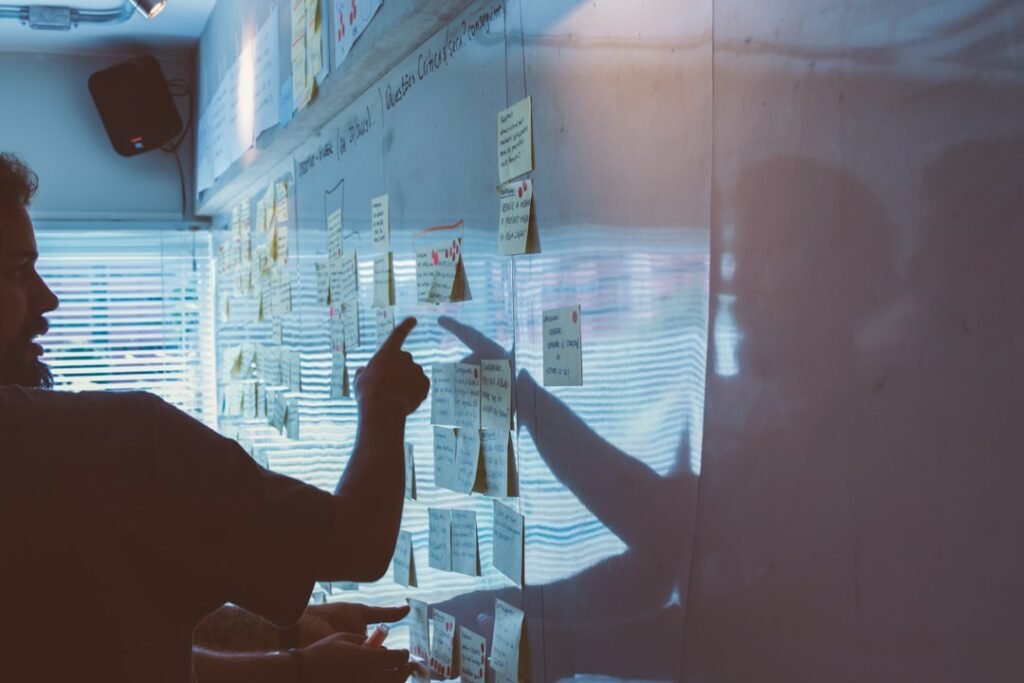
If more than two of these are true, growth has already outpaced structure
The founder or CEO is still personally approving decisions two or three levels below where they should sit.
Ask three people who owns a given outcome and you'll get three different answers.
Headcount and revenue have grown faster than the structure meant to coordinate them.
Benefits promised from the last change programme were never actually measured against the business case.
Every re-organisation feels like starting from a blank page instead of adjusting a known model.
Cross-functional decisions take weeks because there's no forum where they actually get made.
Four areas of ownership, not a vague advisory retainer
Target Operating Model Ownership
Designs and owns the operating model — structure, decision rights and accountability — and keeps it current as the business changes, rather than delivering it once and leaving.
Benefits Realisation & Programme Governance
Separates promised value from delivered value, and governs programmes against the second number, not the first. Every figure labelled as indicative until it's actually landed.
Cross-Functional ExCo Coordination
Creates and chairs the forum where cross-functional decisions actually get made — replacing ad hoc escalation with a working rhythm.
Change & Adoption Oversight
Owns the adoption side of any transformation — the difference between a new operating model on paper and one people actually work inside.
When the model calls for a programme, not a meeting — our team runs it
Operating model design routinely surfaces defined delivery work — a restructuring programme, a systems change to match new decision rights, a benefits-tracking build. Our delivery bench runs that work under the same accountable relationship, so the model doesn't stall waiting for someone else to be found to execute it.
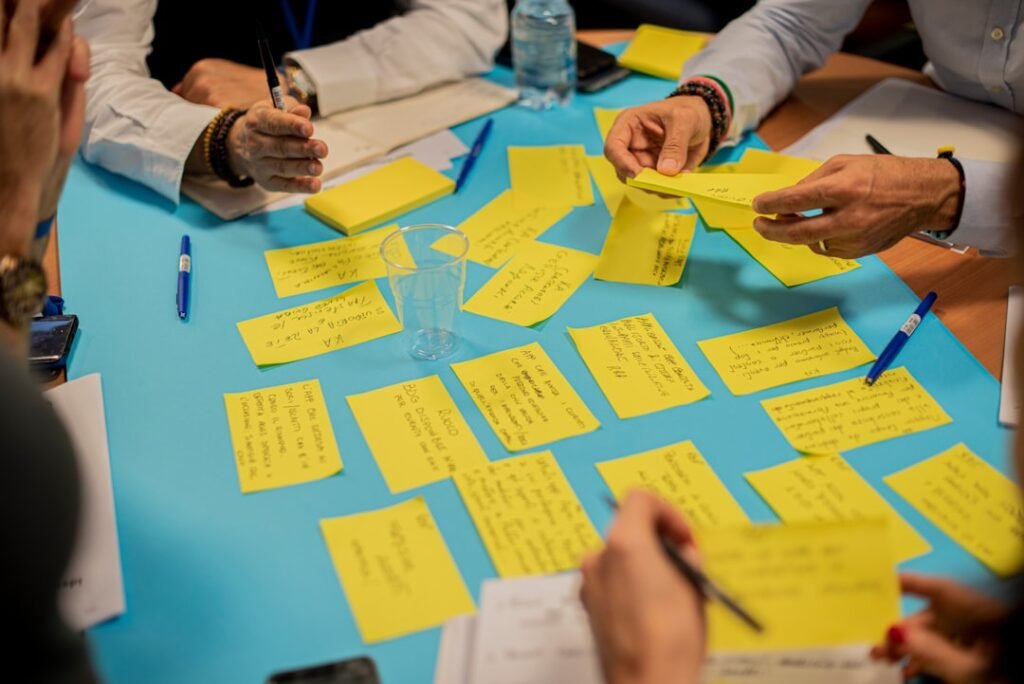
Before you take this to the board
A full-time COO is the right call once the role is proven and the business can justify it. This seat is the right call before that point — senior enough to do the job properly, sized to what the business can commit to today.
Only if it's scoped badly. The seat's mandate is to remove bottlenecks and clarify ownership, with an explicit handover plan to internal leadership as the model beds in — not to make itself permanent.
Every transformation promises a number. Benefits realisation is the discipline of tracking what was actually delivered against that number — separating real, bankable impact from optimistic modelling, and being honest about the gap.
The evidence behind this seat
Problem before platform
The same discipline that applies to technology programmes applies to operating model change.
Read the articleOur methodology in full
How the six-stage approach and the realisation discipline actually work.
Read our ApproachSee the Procurement seat
Where operating model work most often connects to category strategy.
View the seatTalk to us about the COO seat
A direct conversation about where structure hasn't kept up with growth — not a sales script.